Specialist Lending
Let’s gather your options.




When the file does not fit the template
Most lending is assessed by a credit template: salaried income, a standard title, one borrower, one property. Specialist lending is what happens when your situation is perfectly sound but does not fit that shape, and a decline in these cases usually says more about the template than about you.
What sits here
SMSF lending. Borrowing inside a self-managed super fund through a limited recourse arrangement. Only some lenders write these, the deposit is larger, and the fund needs a liquidity buffer left after settlement.
Complex structures. Multiple entities, related-party leases, cross-collateralised security, several trading companies behind one purchase. The lending is often straightforward once the structure is explained properly; the work is in the explaining.
Trust-based lending. Discretionary, unit and hybrid trusts, corporate trustees, and the guarantor arrangements lenders require behind them.
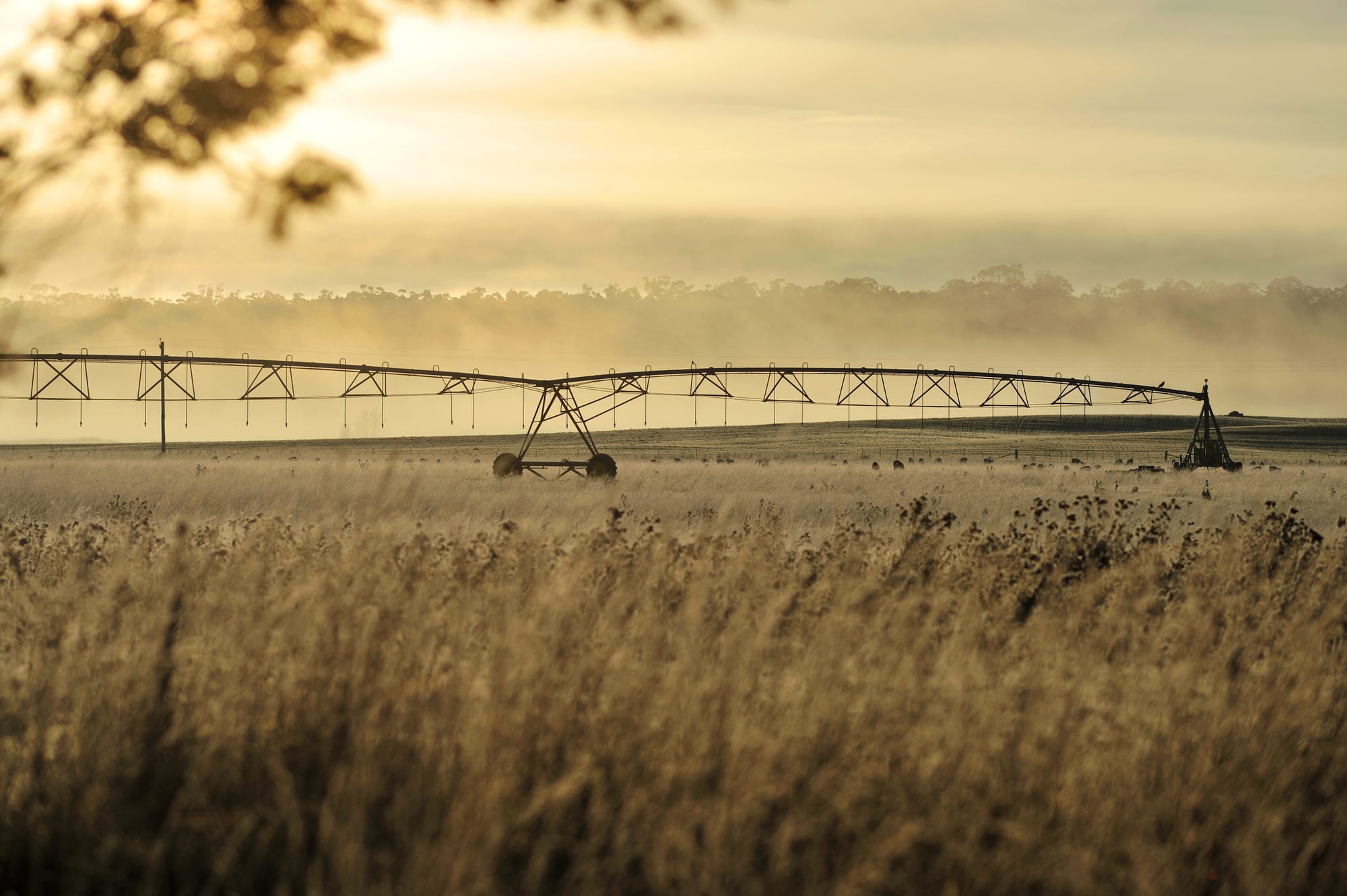
Agricultural lending. Rural security valued on carrying capacity and water rather than comparable sales, with repayments that can be timed around the season, subject to the lender’s policy.
Private funding. Short-dated, security-backed lending where the timeframe or the story rules out a bank. More expensive by design, and only worth it when the cost of not transacting is higher.
Later-life equity release. Reverse mortgages, with the features, costs and compounding explained before anything is signed.
Why these files are declined elsewhere
Rarely because the borrower cannot afford it. Usually because the assessor could not follow the structure inside the time they had, or the policy simply has no box for it: a trust with a corporate trustee and a related-party lease is a normal commercial arrangement that some credit teams will not touch and others price without blinking.
What most often changes the outcome is presenting the file to the right lender, in the order they read it, with the accountant’s position attached rather than promised. That is most of what we do here. Approval always rests with the lender.
An illustrative worked example
An illustrative example of how a file like this can be approached. It is not a client outcome, and no result is implied. This is general information only, not credit assistance, a quote or a recommendation. Every structure depends on individual circumstances, lender credit policy and approval. Oakwood arranges credit through its lending partners; all lending is subject to lender assessment and approval.
Worked example · Self-managed super fund
Buying commercial premises the family business already rents
Structure to consider: limited recourse through a bare trust
The situation. A trading company has leased its premises for some time. The owners would like the fund to buy the building and lease it back to the business, so that rent paid to a landlord becomes an asset inside super.
The complication. Three things arise at once: lenders that each apply their own policy to SMSF commercial loans, a related-party lease that the fund’s auditor and advisers will want to see on commercial terms, and a liquidity buffer the lender may require the fund to retain after settlement. The order in which the bare trust deed and the contract are signed can also affect duty, depending on the state, so it is a point for the fund’s accountant and lawyer to confirm.
What we would look at. Working from the auditor’s requirements backwards rather than starting with the loan: having the fund’s advisers confirm the lease terms and the market rent first, then looking at lenders that are active in SMSF commercial lending, with the fund’s financials, member balances and the post-settlement cash position set out up front. The fund’s lawyer and accountant would confirm the right sequence for the bare trust deed and the contract before the contract goes unconditional.
What the example shows. Settling the structure between the accountant and the auditor before a lender is approached means the lender is shown a settled arrangement, not one still being worked out. Whether a lender will lend to the fund, and on what terms, is for that lender to assess.
Start with the guide
Buying property inside your SMSF · Agricultural and rural lending · Buying commercial premises
This is part of our commercial finance range.