
Asset and equipment finance

Asset & Equipment Finance for Business

Vehicles, plant, equipment and machinery, financed against the asset.

A business owner standing in front of a row of white trucks
  • Financed against the asset, assessed on the business
  • One asset or a whole fleet, in one round or staged
  • We arrange the finance; the lender assesses and decides

Asset finance funds the vehicles, plant, equipment and machinery a business uses to earn. Oakwood Finance arranges it through lenders that look at the asset itself and the business behind it, and we look for a term and repayments that suit how long the asset lasts and how it earns, within what the lender will offer. All lending is subject to lender assessment.


What we arrange

What are you financing?

Asset finance is one name for several different purchases. Working out which one you are making tells us which lenders to look at and how the facility is likely to be structured.
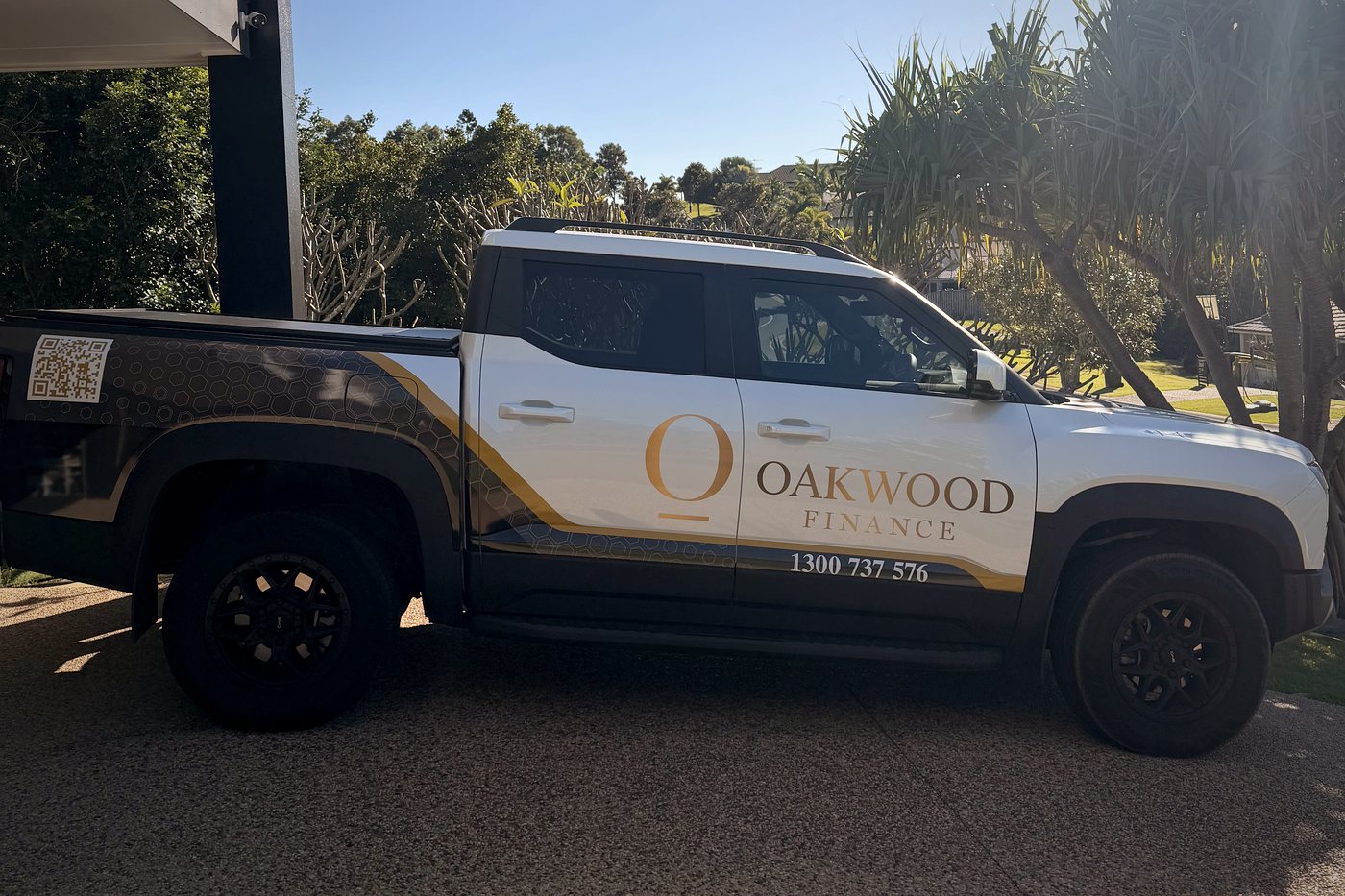
  • Oakwood Finance branded utility vehicle

    Vehicles for the business

    Utes, vans and trucks, prime movers and trailers, a vehicle fleet, or a car bought through the business. Lenders look at the vehicle (new or used, age and resale) and the business behind it. Illustrative purposes: a trades business replacing a ute and adding a trailer; a distributor bringing deliveries in-house with its own vans; a company adding cars for its sales team. Buying a car for personal use? See vehicle finance and personal loans.

  • An irrigation machine in a crop field at sunset

    Business equipment and plant

    Machinery, manufacturing and workshop equipment, earthmoving and agricultural machinery, commercial kitchen equipment, IT and office equipment, and fit-out where a lender will take it. Illustrative purposes: a manufacturer adding a machine to meet a new contract; a civil contractor adding an excavator; a cafe refitting its kitchen. Fit-out and installation are largely not asset-backed, so they are often funded as a separate facility from the equipment itself. For agricultural machinery, see also agricultural lending.

  • A dental chair and equipment in a treatment room

    Medical, dental and veterinary equipment

    Dental chairs and imaging units, ultrasound, theatre and anaesthetic equipment, sterilisation, pathology and diagnostic equipment, veterinary surgical and imaging equipment, and the practice vehicle. Clinical equipment has a narrower resale market than a truck or an excavator, so lenders assess the security differently and some do not consider it; we look for lenders comfortable with the asset rather than fitting a generalist policy to it. The surgery or consulting room fit-out is commonly funded separately from the equipment, on a term that suits each. This applies to doctors, dentists, veterinarians, allied health professionals and healthcare business owners alike. Practice purchases, premises and home lending for healthcare professionals are on our medical and healthcare finance page.

You can work out an indicative repayment estimate for equipment online in a couple of minutes without creating an account or lodging an application, and ask us to review your options at the end. The estimate is indicative only and is not a quote, offer, approval or credit assessment.

What can be financed

Most equipment a practice uses to earn can be financed against the asset itself: imaging and diagnostic equipment, dental chairs and units, intra-oral and panoramic imaging, ultrasound, theatre tables and lights, anaesthetic and monitoring equipment, sterilisation and autoclaves, pathology analysers, veterinary surgical and imaging equipment, physiotherapy treatment tables and rehabilitation equipment, optometry instruments and practice vehicles, from a mobile veterinary vehicle to a practitioner's own car. New and used equipment are assessed differently, as is highly specialised equipment with a small resale market, so the lender's view of the asset matters as much as its view of the practice, and each lender decides for itself.

Equipment, fit-out and working capital are usually funded differently

Equipment is commonly funded on a term matched to its useful life, so that it is paid off over the years it earns rather than rolled into a long property facility. Fit-out, installation and building works are largely not asset-backed, so they are commonly funded as a separate facility with a repayment profile matched to the practice's billing cycle. Working capital through an installation or a new service line is assessed on cash flow. Splitting the funding this way is the usual starting point for a clinical equipment file; the lender decides the structure it will offer. The business equipment and plant section above describes how business equipment is financed generally.

Imaging and diagnostic equipment

Diagnostic imaging equipment for radiology and specialist practices is among the most specialised equipment a lender is asked to finance: high value, a long service life and a narrow resale market. Lenders differ in their appetite for it and in the terms they offer, and some decline it. We approach lenders comfortable with clinical equipment rather than forcing a generalist policy to fit, and we match the term to the equipment's expected service life as your supplier and accountant describe it.

What a lender looks at for clinical equipment

The asset: new or used, how quickly it loses value and how easily it can be resold. The business: trading history, financial statements, BAS and ATO position; some lenders assess established practices on their ABN and GST history and others ask for financial statements, and the lender decides what it needs. The structure: whether the equipment is financed under a loan, a lease or a chattel mortgage, whether a balloon or residual payment applies at the end, and how your accountant expects the arrangement to be treated for tax. Compare the total cost over the term, not only the repayment, including fees and any final payment. Tax advice comes from your accountant; we arrange the finance and coordinate with them, and the lender decides whether to proceed.

Equipment finance questions

Can a new practice finance equipment before it has trading history?
Sometimes. Lenders differ: some assess the practitioner's own income history, the business plan and the supplier quote; others want trading history first. We find out which lenders will consider a new practice before you commit to the equipment.

Does financing equipment affect my home loan?
It can. Where you are personally liable for the practice's facilities, a lender may count them when it assesses you personally. We look at the practice and the home together.

How quickly can equipment finance be arranged?
It depends on the lender, the asset and how complete the file is. Established practices with current financials and a supplier quote are usually the most straightforward. Timeframes are not a commitment.

Is the online estimate a quote?
No. It is an indicative estimate of what you could be offered, based on the information you enter. It is not a quote, offer, approval or credit assessment, and a lender's actual offer depends on its assessment of the asset and the business.

Not sure which applies? Speak with us and we will point you to the right starting point.

Illustrative examples

Three illustrative purchases

Purposes of a kind we see, and how the finance is commonly structured. None describes a specific client.

  • A handshake across a desk at a vehicle dealership

    Illustrative example

    A distributor bringing deliveries in-house with its own vans

    Lenders look at the vehicle (new or used, age and resale) and the business behind it. For several assets, the question is whether they are funded in one round or staged.

    A lender may fund the vans in one round or staged, assessed on the business and on each vehicle. Each is assessed and priced by the lender on the asset, the business and the term.
  • A person in a hard hat looking over a construction site at sunset

    Illustrative example

    A civil contractor adding an excavator

    Earthmoving machinery is financed against the asset itself, on a term set against the working life of the asset. Your accountant's view on the structure comes in here.

    A lender may offer a chattel mortgage, a finance lease or a rental, with or without a balloon at the end. The rate, fees and conditions are the lender's, and every application is subject to lender assessment.

  • A dental surgery with a treatment chair, cabinetry and a sofa

    Illustrative example

    A practice adding clinical equipment and a surgery fit-out

    Clinical equipment has a narrower resale market than a truck or an excavator, so lenders assess the security differently and some do not consider it. The surgery or consulting room fit-out is commonly funded separately from the equipment, on a term that suits each.

    A lender comfortable with the asset may fund the equipment on a term matched to its useful life, with the fit-out as a separate facility. The lender decides the structure it will offer.

Illustrative examples: representative scenarios of a kind we see, not a specific client. No outcome is implied for any client. Oakwood Finance arranges credit through its lending partners; all lending is subject to lender assessment and approval.
Why Business Owners Choose Oakwood Finance

Sector Understanding

Vehicles, plant and specialist equipment each carry different resale profiles and lender appetites, and they are assessed very differently from property.

A Broad Lending Panel

Access to a broad lending panel gives us the ability to compare policies across major banks, specialist asset financiers and non-bank lenders.

Structuring Across Multiple Assets

We regularly arrange funding across vehicle fleets, mixed equipment schedules and staged purchases rather than one asset at a time.

Commercial & Residential Capability

Your broker understands how an equipment facility sits alongside your property, business and personal lending.

Collaboration With Your Advisers

Where required, we work alongside your accountant and other professionals so the funding structure fits the advice you are already receiving.

Any Size Purchase

A single work vehicle is worth structuring properly. No purchase is too small to be worth a conversation.

Speak to us
Oakwood Finance branded utility vehicle
The reception area of a modern business premises

What a lender looks at

The asset. New or used, how quickly it loses value and how easily it can be resold. Lenders assess these differently, particularly for specialised equipment.

The business. Trading history, financials and ATO position, as with any business lending.

The structure. Whether the asset is financed under a loan or a lease, whether a balloon or residual payment applies at the end, and how your accountant expects the arrangement to be treated for tax.

Worth weighing

Compare the total cost over the term, not just the repayment, including fees and any final payment. A loan secured by the asset can be assessed differently from an unsecured one, and the right choice depends on the asset and your position.

Tax advice comes from your accountant. We arrange the finance and coordinate with them, and the lender decides whether to proceed.

Speak to us

Structures

How asset finance is commonly structured

Three structures come up most often. Which one suits your business is a question for you and your accountant; we arrange the finance to match the answer.

  • Chattel mortgage

    The business owns the asset from the start and the lender holds security over it until the loan is repaid. A balloon or residual payment may apply at the end.

  • Finance lease

    The lender owns the asset and leases it to the business for a fixed term, with a residual at the end.

  • Rental or operating lease

    The business pays to use the asset for the term and hands it back or upgrades it, which can suit equipment that dates quickly.

Each is assessed and priced by the lender on the asset, the business and the term. The rate, fees and conditions are the lender's, and every application is subject to lender assessment.

Our process

How an asset finance enquiry runs

  1. A repayment estimate, if you want one first.

    Our asset finance quote page works out repayments and set-up costs on a vehicle or equipment loan, including medical equipment, in a couple of minutes, without creating an account or lodging an application. If you would like us to look at your options properly, you can ask at the end.

  2. The purchase and the business.

    What you are buying, from whom, new or used, and how the business trades: structure, time trading, ABN and GST registration, and existing facilities.

  3. Structure.

    Chattel mortgage, lease or rental; the term against the working life of the asset; whether a balloon applies; and, for several assets, whether they are funded in one round or staged. Your accountant's view on the structure comes in here.

  4. Lender comparison.

    We compare suitable options from our lending partners on total cost over the term, not the monthly figure, before anything is lodged.

  5. Application and settlement.

    We lodge the application with the supplier's quote or invoice, answer the lender's questions, and the lender pays the supplier once documents are signed. The lender assesses and decides.

  6. The next asset.

    We keep a record of what is financed, with whom and until when, so adding to a fleet or replacing a machine is planned rather than rushed.

What helps us give you an initial view

This is what helps us form a view and shortlist lenders. Each lender has its own requirements and will ask for its own list once an application is under way.

  • The asset: what it is, new or used, the supplier's quote or invoice if you have one, and the price.
  • Who will use it and for what, and whether it is one asset or several.
  • The business: structure, how long it has traded, and whether it is registered for GST.
  • Existing loans, leases and facilities.
  • Recent financials or BAS where available. Some lenders assess an established business on its ABN and GST history alone; others ask for more.
  • Your accountant's details, if you would like us to work with them on the structure.

How we have structured it

Scenario 01 · Transport & distribution

Branding a delivery fleet, and funding it in one round

Purpose A fleet of branded delivery vehicles · Structure One facility per vehicle, arranged together

The situation. An established distribution business paying third-party couriers to move its goods is considering bringing delivery in-house, on its own branded vehicles, cutting freight cost while putting the brand on the road.

The complication. Several vehicle facilities written against one trading entity in a short window concentrates a lender’s exposure. Assessed one at a time it looks routine; assessed together it can read as rapid debt accumulation. Lenders weigh that differently.

What we would look at. Presenting the case on the economics of the move rather than the vehicles alone: the freight cost coming out of the accounts, the trading performance supporting the repayments, the asset position going in. We would compare structures across several lenders instead of accepting the first one offered, and work alongside the business’s accountant on the tax treatment of the fleet.

The outcome. In a case like this, a lender may consider the vehicles as a set of facilities assessed together, each on a term that suits the working life of the vehicle, so the fleet can be ordered in one round rather than vehicle by vehicle. Delivery moves in-house, external freight spend comes down, and the fleet carries the brand.

Scenario 02 · Dental practice

Cosmetic equipment and surgery works, funded on different terms

Purpose Clinical equipment and surgery fit-out · Structure A longer-term secured component and a shorter equipment facility

The situation. An established dental practice is considering adding cosmetic services: whitening and veneer equipment, a new chair, and the surgery fit-out to support the new rooms.

The complication. Clinical equipment has nothing like the resale market of a truck or an excavator, so lenders assess the security differently and some decline it outright. The practice also needs the surgery works and the equipment funded together, on terms that would not strain cash flow while the new rooms are being fitted out.

What we would look at. Splitting the funding by what each part actually is: the equipment assessed against the assets themselves, the fit-out and installation treated separately with a repayment profile matched to the practice’s billing cycle. We would approach lenders comfortable with clinical equipment rather than forcing a general policy to fit.

The outcome. In a case like this, a lender may consider separate facilities rather than a single one: a longer-term secured component for the works, and a shorter facility secured over the equipment itself. The equipment is not funded over the life of a property loan: each facility sits on a term appropriate to what it funds.

Illustrative examples: representative scenarios of a kind we see in this market, not specific clients. Every application is assessed by the lender on its own facts.

We arrange asset and equipment finance for businesses nationally, including in Adelaide, Brisbane, on the Gold Coast and in Perth.

This is part of our commercial finance range.

Questions

Asset finance questions we are asked

Can I finance used equipment or a private sale?

Often, yes. Lenders set their own limits on the age and type of asset and on private sales, so a lender can be comfortable with your business and still decline the asset. Tell us what you are buying before you pay a deposit.

I am a sole trader with an ABN. Can I get asset finance?

Some lenders consider sole traders and small companies; others do not. Some assess an established business on its ABN and GST history; others ask for financials or BAS. Which lenders are worth approaching depends on how long you have traded and what you can show.

Can equipment and fit-out be funded together?

They can be arranged together but are commonly funded as separate facilities, because equipment is asset-backed and fit-out largely is not. Each facility sits on a term that suits what it funds.

What is a balloon payment?

A lump sum left to pay at the end of the term. It lowers the regular repayment but raises the total cost and leaves a sum due when the asset may be worth less. We can ask the lender to show the figures with and without a balloon.

Loan or lease: which is right for me?

That is a question for you and your accountant, because it turns on how the asset sits on your books and how your business is taxed. Once you have decided, we arrange the finance to match.

What about a car for personal use?

That is a different loan, assessed on you rather than a business. See vehicle finance and personal loans.

Do you arrange medical and dental equipment finance?

Yes, for doctors, dentists, veterinarians, allied health professionals and healthcare business owners. The medical, dental and veterinary equipment section above explains how it differs, and our medical and healthcare finance page covers practices and premises.

Next step

Want a repayment estimate first? Use the asset finance quote page. Ready to talk it through? Speak with us or book a consultation. Oakwood arranges credit through its lending partners; the lender assesses and approves each application.

CONTACT US

Start a conversation today