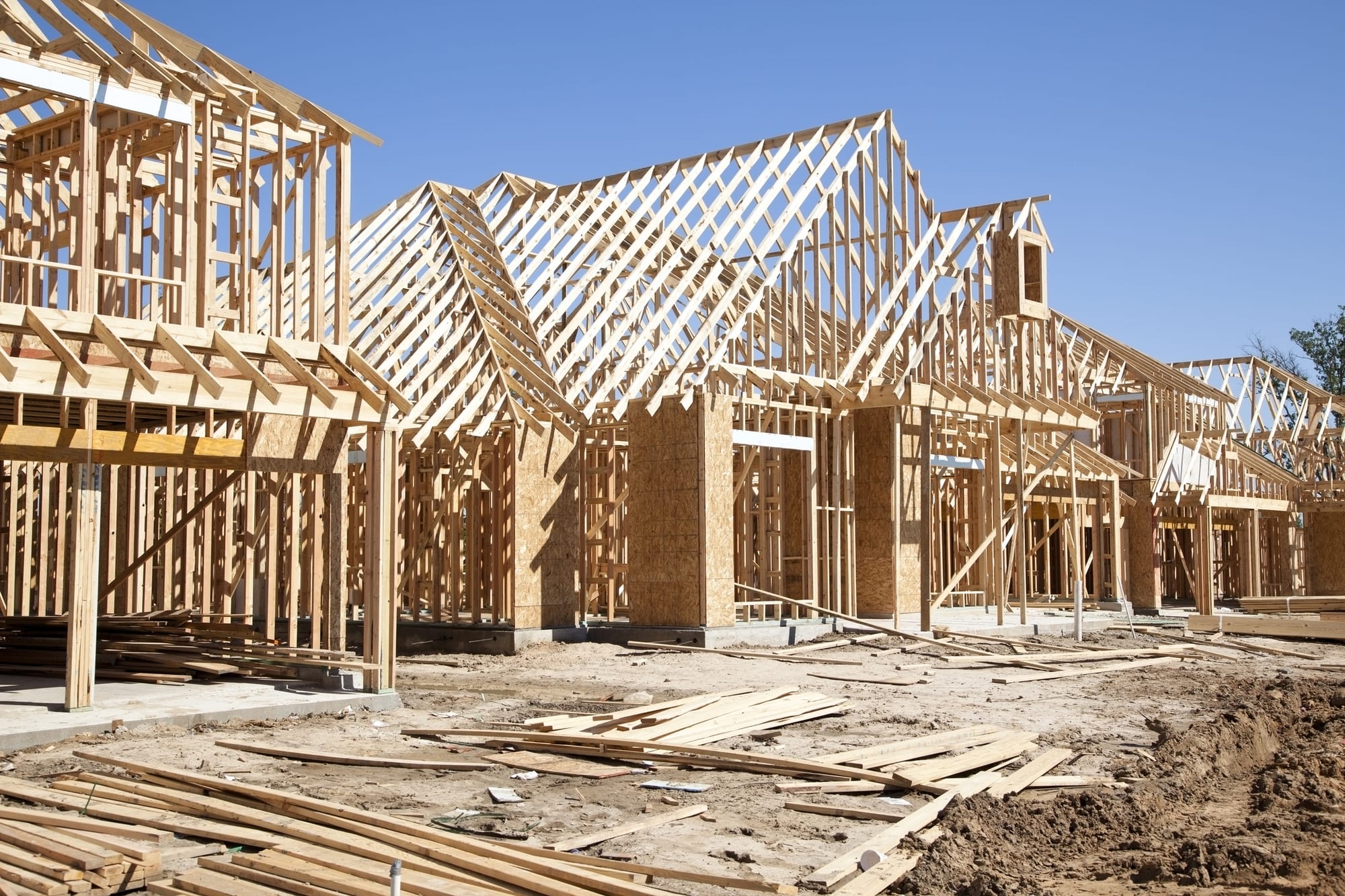
Construction Loans for Building, Rebuilding and Renovating
Oakwood Finance arranges construction loans for new builds, knock-down rebuilds and structural renovations. A construction loan is paid to your builder in stages against a fixed-price contract, with interest charged only on what has been drawn, and converts to a standard home loan at completion. We compare suitable options across 70+ lending partners, prepare the application with the contract, plans and contingency the lender expects, and manage each progress draw through to handover. Lending is subject to lender assessment.

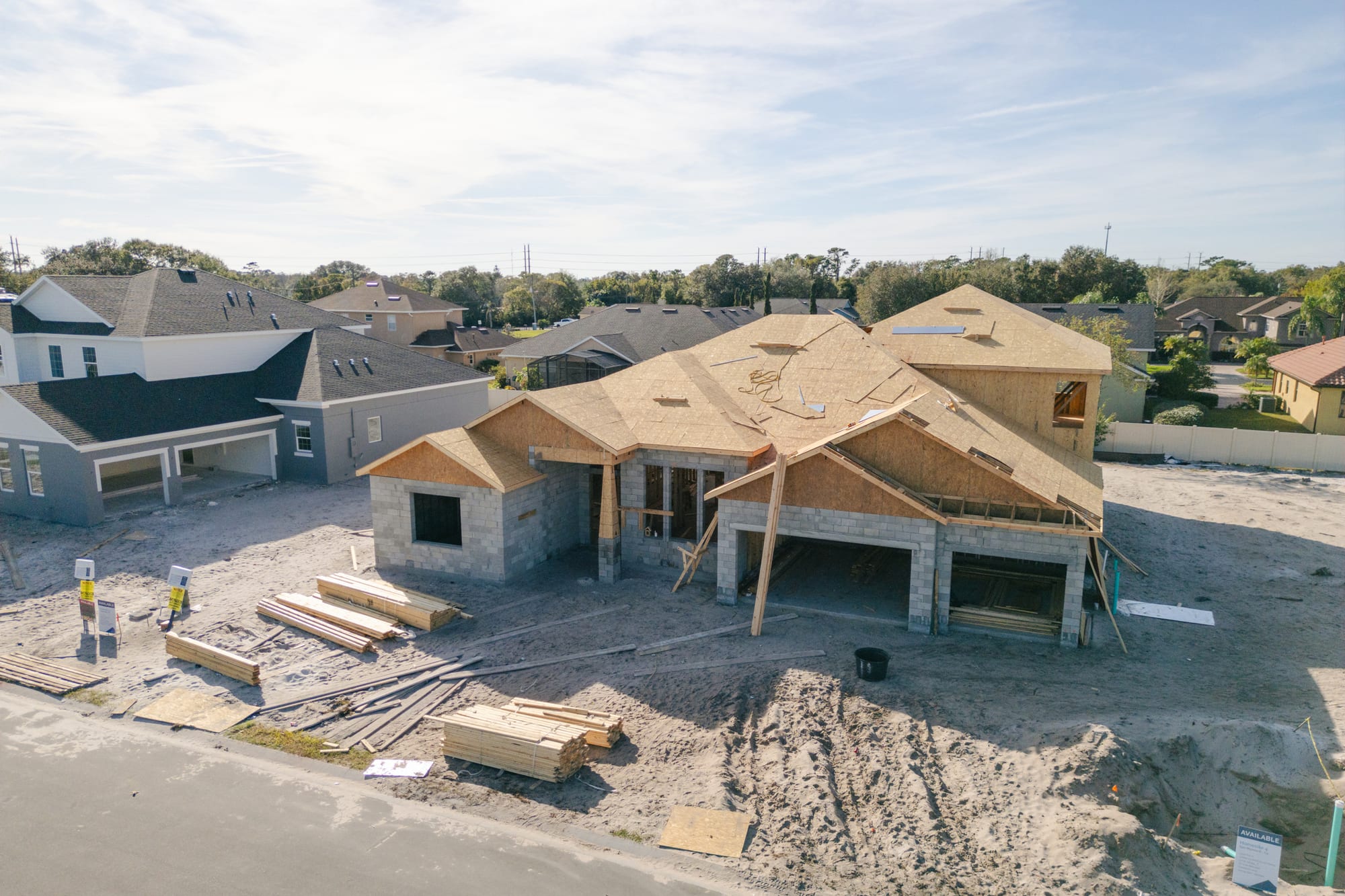
What to have ready besides the contract
- The builder’s licence number and insurance certificate, which lenders commonly ask to see.
- The plans and specifications, with the schedule of inclusions that matches the contract price.
- The builder’s progress payment schedule, so each draw lines up with a stage.
- Proof of the land, or of the deposit if the loan is also buying the land.
- Your income and expense documents, as for any home loan.
Who does what
Your builder prices and builds. Your solicitor reviews the building contract. We arrange the loan, line up these documents with the lender, and stay in touch with the lender and the builder so you know what is due at each stage.
The credit decision is the lender’s, and all lending is subject to lender assessment.
How the money reaches your builder
A construction loan behaves nothing like a normal home loan, and most of the friction on a build comes from not knowing that in advance.
Progress draws, not a lump sum
The lender pays your builder in stages as work is completed (typically slab, frame, lock-up, fixing and practical completion), and each draw is released only after the lender’s valuer has inspected and signed off. You pay interest only on what has been drawn, so repayments start small and climb through the build. At the final draw the loan converts to an ordinary principal-and-interest home loan.
Budget for paying rent and construction interest at the same time for much of the build. It is the cost people most often leave out of the plan.
The fixed-price contract is the loan
Lenders size the facility off a signed fixed-price building contract with council-approved plans. Cost-plus arrangements and contracts that leave the detail to be agreed later are very difficult to finance, because there is no number to lend against. If a builder will not give you a fixed price, that is a financing problem before it is a building problem.
Variations are the usual source of trouble. Anything added after signing generally comes out of your own pocket unless the lender agrees to increase the facility, which means a fresh valuation and more delay. Decide the inclusions before you sign, not at frame stage.
Renovating is a different question
Structural work (removing walls, adding rooms, anything needing approval) usually needs a proper construction facility with draws and inspections. A new kitchen, bathroom and repaint can often be funded as a simple equity release against the existing value, which can involve fewer steps and no staged inspections by a valuer, depending on the lender. Telling us which one you are doing at the start helps us look at the right lender first.
Contingency
We ask clients to hold a contingency outside the contract, sized to their own circumstances and the lender’s requirements. Site costs, weather, and what you find once the slab is down are ordinary, not exceptional. Some lenders want to see that buffer evidenced before they assess the facility.
An illustrative worked example
An illustrative example of how a file like this can be approached. It is not a client outcome, and no result is implied. This is general information only, not credit assistance, a quote or a recommendation. Every structure depends on individual circumstances, lender credit policy and approval. Oakwood arranges credit through its lending partners; all lending is subject to lender assessment and approval.
Worked example · Knock-down rebuild
Funding a rebuild on land the owners already hold
Structure to consider: existing debt restructured against the land, then a staged construction facility
The situation. Owners of an ageing house on a good block want to demolish and rebuild rather than move, keeping the street and the school catchment.
The complication. Demolition reduces the security to bare land at the moment the lender is being asked to increase its exposure, and the existing mortgage has to be dealt with before work starts. The owners may also have a fixed portion on the old loan with a break cost attached.
What we would look at. Restructuring the existing debt against the land value first, then looking at a construction facility sized off the fixed-price building contract, with the usual staged draws. We would confirm any break cost in writing, time the demolition to fall after the lender has confirmed the facility rather than before, and ask whether a contingency can be built into the facility so that the first variation does not need a new application.
What the example shows. On a rebuild the existing debt, the break cost, the demolition and the construction facility all affect one another, so the order of events matters. A contingency agreed before the build starts is intended to stop a variation becoming a new application, and each lender decides whether to allow one.
Before you sign a building contract
Get the building and renovating guide
This is part of our commercial finance range.
For multi-unit or commercial projects sized off a feasibility, see property development finance.
Work out repayments on the drawn balance with our calculators.
Building in a particular area? See our local pages for Mount Barker, the Adelaide Hills, Perth’s southern suburbs and Upper Coomera.